Ford
Ford Ranger Raptor Fuel Rail Pressure Sensor 8C3Q-9D280-AB: A Pre-Order Evidence Guide
A conservative buyer checklist for documenting a Ford Ranger Raptor 2.0 fuel rail pressure sensor request, comparing part identity, and resolving fitment questions before ordering 8C3Q-9D280-AB.
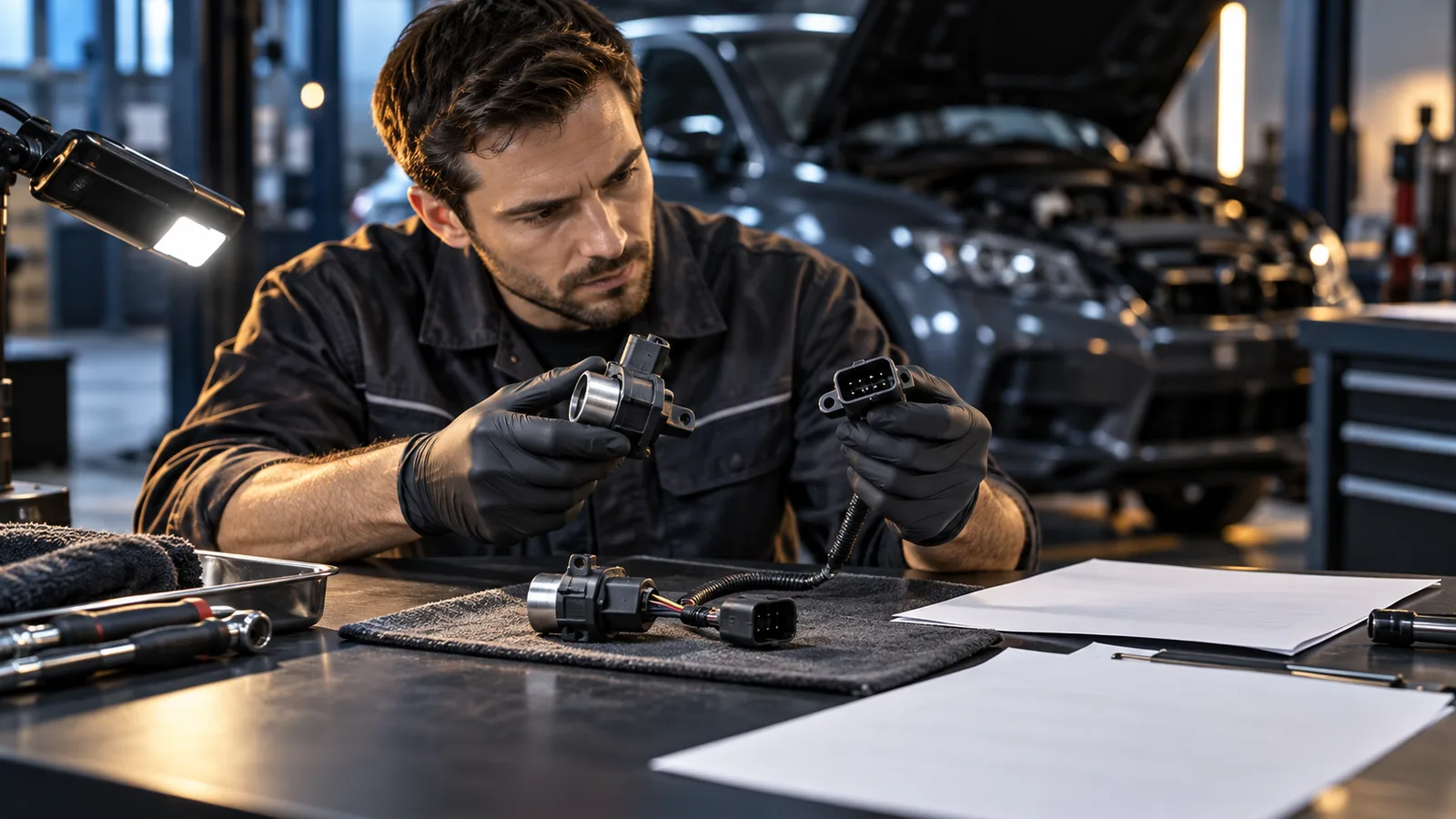
A fuel-system sensor is a poor candidate for an appearance-only purchase. A buyer may find the right product name and still need to resolve the vehicle identity, the number on the removed component, and the electrical connection before money or international shipping is committed. The current TAP Auto Parts listing identifies a Genuine Ford Ranger Raptor 2.0 Fuel Rail Pressure Sensor with part number 8C3Q-9D280-AB for the stated 2018–2022 application. Treat those listing details as the start of the match, not as a substitute for vehicle-specific confirmation.
Begin with the recorded part number
Write the complete reference exactly as shown: 8C3Q-9D280-AB. Keep the hyphens in the working record, and also retain a clear photograph of every readable marking on the removed sensor. Do not approve a replacement merely because a shortened number looks similar. If the old marking is incomplete, ask the seller or a qualified parts adviser to compare the available photos with the vehicle record before ordering.
The listing describes the item as a genuine Ford fuel rail pressure sensor for a Ranger Raptor 2.0 diesel application in the 2018–2022 range. Model name and year range are useful filters, but regional vehicle specifications can differ. The VIN or chassis number, model year, engine designation, and market should remain attached to the request so the seller is not working from a product title alone.
Separate diagnosis from parts identification
A correct catalog match does not prove that the sensor is the cause of a vehicle problem. Fault codes and drivability concerns can involve more than one component or circuit. Diagnosis should therefore remain with a qualified technician using the applicable service information and test procedure. The buyer's job is to preserve the evidence used to identify the requested part; the technician's job is to establish whether replacement is justified.
Ask the workshop to record the diagnostic conclusion in plain language. If a code, measured value, wiring observation, or connector concern led to the request, keep that information with the job file. This avoids turning an online product search into an unsupported repair decision. It also gives the workshop a clear reference if further checks are needed before installation.