Ford Parts Guide
Ford Everest / Ranger Raptor Radiator Fan Blade: Fitment Checklist
A practical buyer checklist for confirming the Ford Everest / Ranger Raptor 2.0 diesel radiator fan blade before ordering.
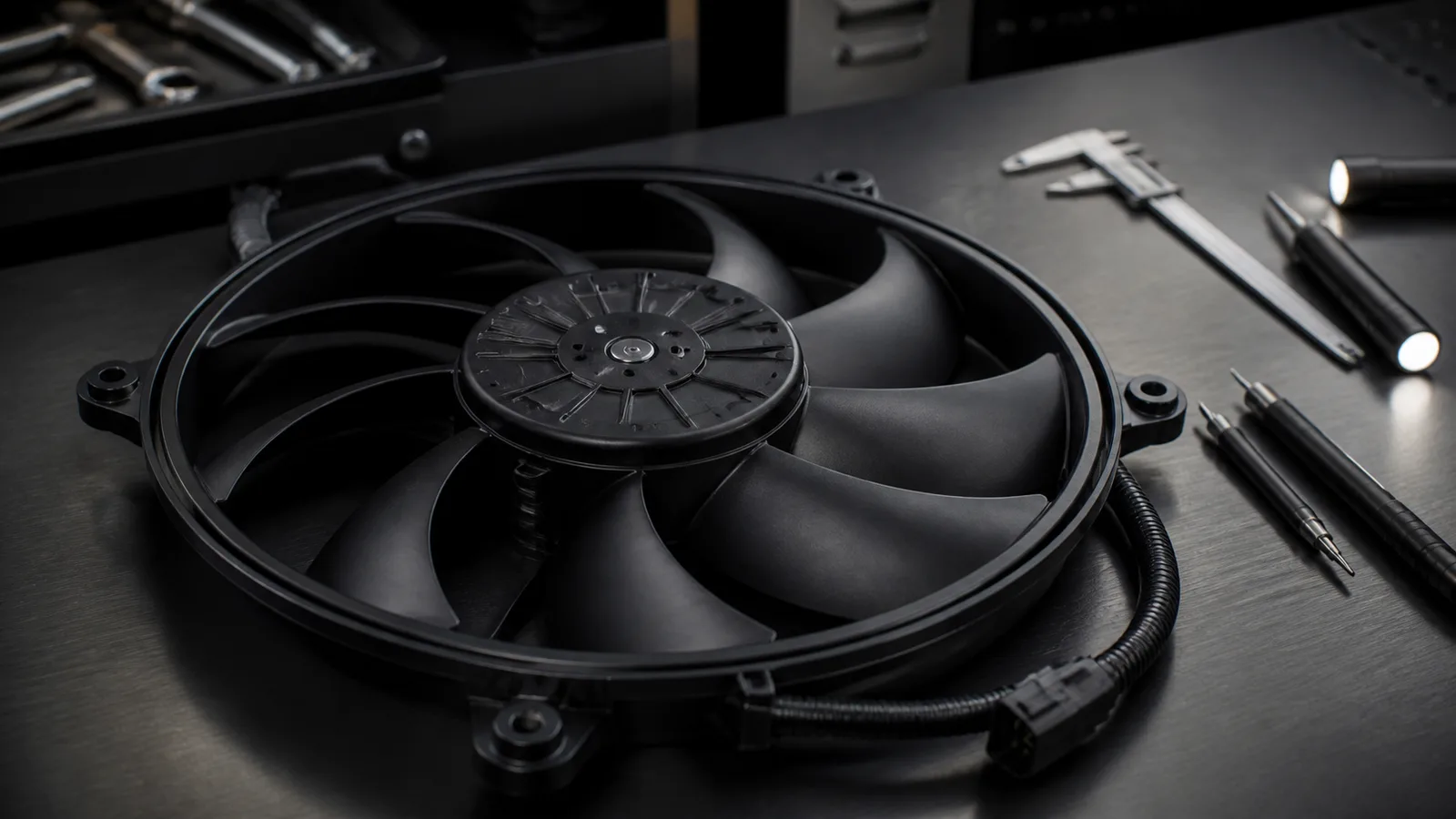
The radiator cooling fan blade is a visible part, but it still needs careful checking before purchase. This guide is for buyers reviewing the Genuine Ford Everest / Ranger Raptor 2.0 Diesel Radiator Fan Blade 2018-2021 listing from TAP Auto Parts and comparing it with the vehicle or the removed component. The listing describes a genuine Ford radiator cooling fan blade for selected Ford Everest and Ford Ranger Raptor 2.0 diesel applications. It includes the radiator fan blade only, sold as one piece. Because cooling fan assemblies can vary by model year, engine package, market specification, and surrounding shroud or clutch arrangement, buyers should confirm details before assuming fitment from the vehicle name alone. Start with vehicle and engine details Confirm the exact vehicle model, model year, engine, and market. The listing is associated with Ford Everest 2019 and Ford Ranger Raptor 2018-2021 2.0L diesel applications. If the vehicle has had previous front-end, radiator, fan shroud, engine, or cooling system repairs, compare the installed setup directly because parts may have been changed during earlier work. Compare the removed fan blade The safest approach is to compare the old fan blade with the product photos and the vehicle workshop reference. Check the blade count, blade shape, rotation direction, centre mounting area, and overall diameter. A fan blade that appears similar but differs in pitch, offset, or mounting pattern may not clear the shroud correctly or may not move air as intended. Mounting and clearance checklist Confirm the centre hub or mounting pattern matches the existing assembly. Check blade count and blade orientation before installation. Inspect the fan shroud for cracks, distortion, or previous repair marks. Confirm there is enough clearance from the radiator, shroud, belts, and nearby hoses. Replace damaged related hardware according to workshop guidance. Do not reuse a cracked or distorted fan blade. Cooling fan parts rotate at speed, so small damage can become a larger reliability and safety issue. If the vehicle overheated, also inspect the radiator, thermostat, coolant level, cap, hoses, and fan drive system rather than treating the blade as the only possible cause. Before ordering Record the vehicle identification details, photograph the existing fan blade from the front and side, and compare the part visually with the listing. If ordering for a customer vehicle, keep the old part available until the replacement has been checked. This reduces the risk of selecting a fan blade for a similar Ford diesel application that uses a different layout. This checklist does not replace official service data or a qualified technician inspection. It is a practical buying guide to help confirm the listing, the vehicle, and the physical cooling fan arrangement before purchase.